
 Get a quote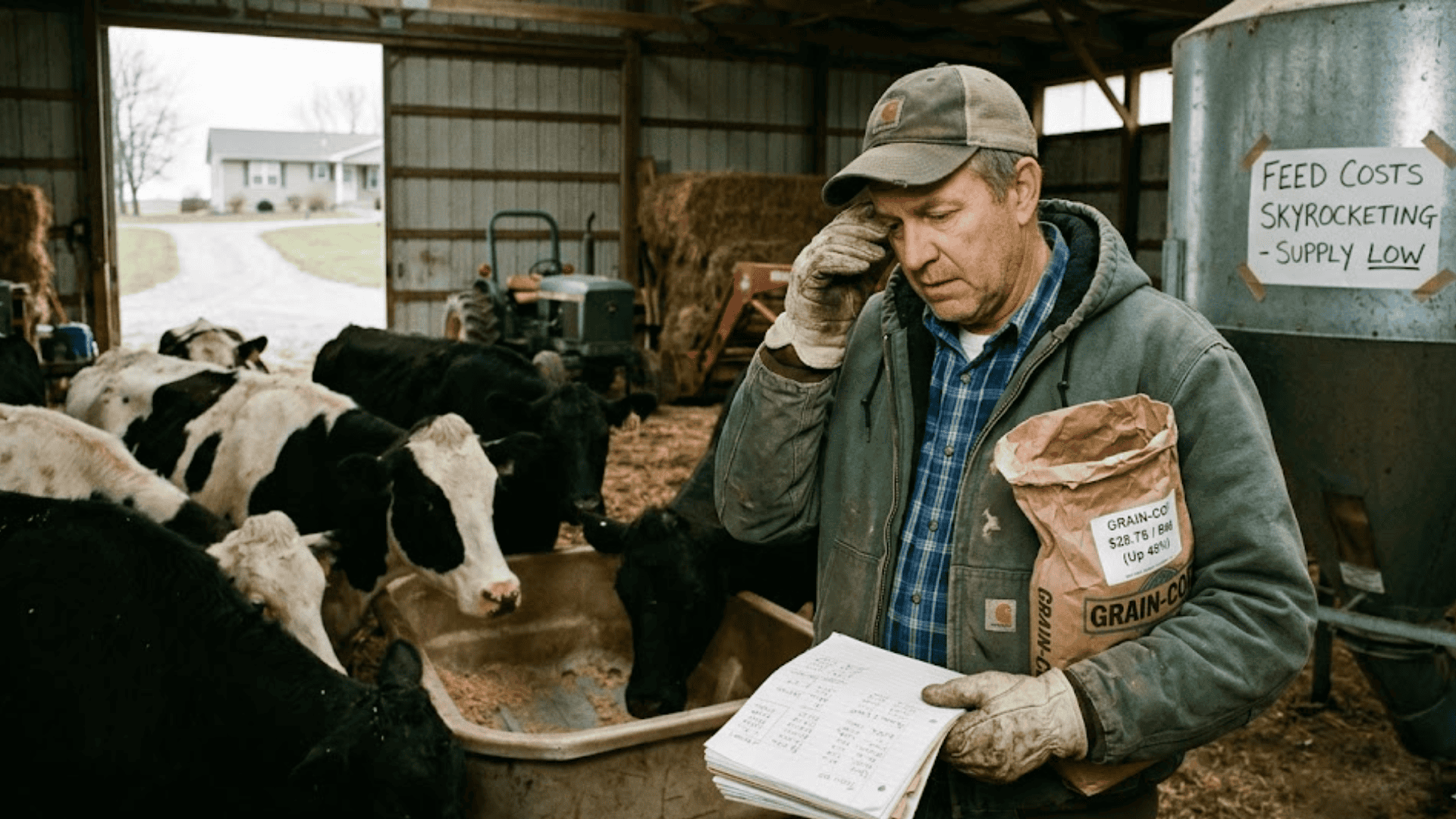
How Rising Feed Costs Are Impacting Livestock Farmers
2 Apr 2026 - Admin
Livestock development is one of the critical sectors for the Indian economy. The reason it’s important is because this sector supports millions of farmers across the country in terms of dairy development, poultry development, and meat development. This is true, it supports, but here’s the catch which is one of the biggest challenges faced by farmers these days is the increase in feed prices. Yes, the feed price contributes nearly 60-70% to the overall cost of livestock development. This is considered one of the biggest challenges faced in livestock development. There’s a reason for this continuous increase in prices, which is inflation and climate change. As a result, farmers are finding it hard to maintain their business..
This is why understanding these reasons for the increase in feed prices is vital to know for the development of a more sustainable livestock sector. In this article, we will talk about the rising feed costs that are impacting livestock farmers and what are the reasons behind it.
What Are The Main Reasons For Rise in Feed Costs?
Getting to know those drivers is essential. From the past few years we have seen a significant rise in feed cost. This is due to various domestic and international factors. All this is making a complicated problem for farmers and the industry as a whole.
Rise in Raw Material Prices
Maize and soybean meal are the major ingredients in animal feed. These have shown dramatic increases in recent times. Maize, which is an essential component of poultry feed, its increased demand for ethanol production has resulted in its relatively higher price. Whereas, soybean meal is also showing an upward trend due to changes in its production levels and demand-supply balances.
Climate and Weather Disruptions
Having unpredictable weather patterns is also another reason. Weather such as droughts and floods have impacted crop yields. This results in reducing availability of feed ingredients, and also directly impacts the price. Again making it difficult for farmers.
Supply Chain Challenges
Transportation costs, fuel prices, and supply chain challenges add another factor in rising the feed costs. These all contributed to the increase in the cost of feed production, and also global events have worsened the situation.
Policy and Industrial Demand
Policies visions at boosting biofuel production have led to an increase in the demand for feed materials. This means the more the crop is used for biofuels, the more the cost of feed.
Impact on Livestock Farmers
There are factors that directly impact livestock farmers. This impacts more especially the small and marginal ones. Here’s the impacts on the livestock farmers.
Shrinking Profit Margins
As we know, the cost of feed accounts for the majority of the cost of production. This is why the farmers are witnessing a drastic fall in profit margins. The reason is the increase in the cost of feed is not necessarily followed by a similar increase in the price of milk, meat, or eggs.
Reduced Production
There’s an increased cost of feed. And because of this the farmers might be compelled to reduce the number of animals being raised. Here’s what it means; the poultry farmers might reduce the batch size, and the dairy farmers might limit the expansion of the herd.
Exit of Small Farmers
Farmers with small-scale means who normally operate with limited financial reserves, are the one who gets affected the most. The small-scale farmers are finding it difficult to continue with livestock farming. They are either reducing or exiting from the business.
Increased Financial Stress
Farmers who are affected by increased input costs normally resort to loans and credit. This results in increasing their financial stress. Their cash flow is also affected, particularly when there is fluctuation in the price of livestock products.
What’s the Impact on Food Prices and Consumers?
The impact of increased feed prices does not stop at farmers alone. It extends to all those in the food industry. Here’s how it impacts:
Rising Retail Prices
Due to increase in cost, the farmers and producers are forced to increase prices for their products as well. This means the price of milk, eggs, chicken, and other meat products goes up.
Inflation in Protein-Rich Foods
Protein rich foods are necessary for a balanced diet, but these foods are becoming more expensive for the consumer which is not a good thing.
Reduced Affordability
This segment of the population would be affected because they would be forced to cut down on the purchase of nutritious foods. This happens because of the rising prices.
How Farmers Are Adapting?
We know this sector is facing challenges, but farmers are also finding ways to adapt and cope with the rising cost of animal feed. Here’s the steps:
Alternative Feed Sources
Farmers are now using alternative feed sources. They simply use crop residues, silage, and agricultural by-products to minimize the use of expensive animal feed.
Precision Feeding
Farmers are employing new techniques in animal feeding in order to ensure the animal gets the required nutrients. This has reduced the cost of animal feed.
Herd Management
Now farmers are reducing the number of herds, This is because to ensure the business remains profitable.
Diversification
Farmers are exploring new alternative income-generating activities. Here’s some of them; organic manure production, biogas production, and value-added products from dairy products.
Role of Government and Industry
In order to solve the problem of increasing feed prices here’s what we can do;
There is a need for cooperation between both the government and industry.
Policy Support: government can be seen in providing support to farmers in terms of subsidies on feed prices. And also they set a floor price for feed.
Industry Responsibility: the role of industry can be seen in terms of food businesses. This will help in mitigating the effects of increasing feed prices.
Conclusion
Livestock producers face the challenge of rising feed costs. This directly affects their livelihoods as well as the prices of foodstuffs. By addressing the problem of rising feed costs demands support from the government through policies, innovation, and best practice within the industry.
FAQs about How Rising Feed Costs Are Impacting Livestock Farmers
Why are livestock feed costs increasing?
The reason livestock feed costs are increasing is because of raw material shortages and climate-related factors followed by increased demand from industries.
How do livestock feed costs impact farmers?
Livestock feed costs affect farmers a lot. They get impacted due to reduced earnings thus forcing farmers out of livestock farming.
Does the increase in livestock feed costs affect food prices?
Yes absolutely. The livestock feed costs directly affect food prices by increasing the cost of milk, eggs, and meat products.
How do farmers cope with the increasing cost of livestock feed?
Farmers cope with the increasing cost by using alternative livestock feeds and adopting efficient feeding techniques.
How do companies contribute to this problem?
Companies help solve problems by supporting the farmers and providing them with sustainable livestock farming tricks.