
 Get a quote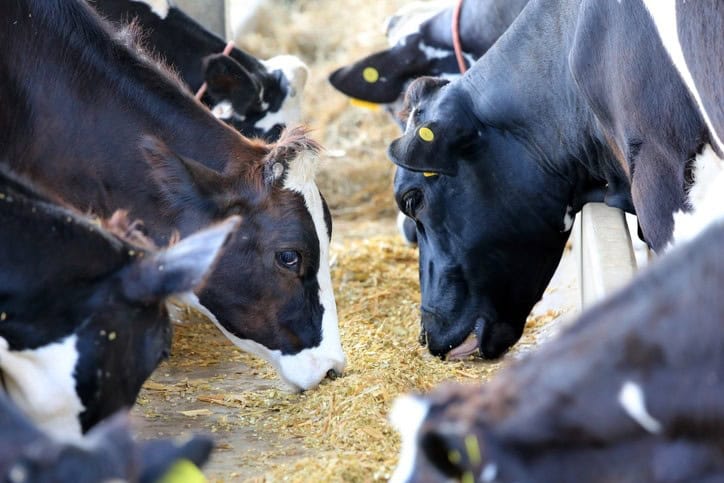
Types Of Raw Material In Animal Feed Production
6 Sep 2024 - Admin
Types of Raw Material in Animal Feed Production – Livestock farming is an important industry. This is where proper nutrition has an essential role in maintaining your animal health, growth, productivity and overall well being. Animal feed is formulated with the use of different raw materials that supply important nutrients like energy, protein, fibre, fats, vitamins and minerals. The quality and suitability of these ingredients can affect the feed quality and animal performance directly.
Choosing the raw materials depends many factors like the animal species, age, production stage, nutritional requirements, digestibility, ingredient quality, availability and cost. In this blog, we discuss the major types of raw materials in animal feed production. The guide also dives into their nutritional roles and the factors to consider when selecting quality feed ingredients.
How To Choose The Right Raw Materials For Optimal Animal Health And Growth?
Choosing the right raw materials for animal feed is important. This is a must for optimal animal health. Animal growth should be your priority here. But ingredients should also be selected according to the nutritional requirements of the specific animal and the intended feed formulation. A good raw material should provide useful nutrients and have suitable digestibility. It must meet the required quality specifications and be free from any unacceptable levels of contaminants.
Know the Animal’s Needs: Each species needs its own set of nutrients. Different nutrients are needed for growth stages. This means that they need protein for growth. For digestion, fiber is great.
Prioritize Quality: Choose high quality ingredients for the animals. Nutrition cannot be compromised in raw materials. You should also avoid low quality products here.
Balance Nutrients: The overall feed should have a set of the right nutrients. Animal health should be supported with these:
- Protein
- Energy
- Fiber
Consider Digestibility: Also, select easily digestible materials for the animals. This is best to let the nutrients fully absorb. This also increases feed efficiency through raw materials.
Include Essential Micronutrients: You can’t skip vitamins and minerals here. They are important for:
- Bone health
- Immunity
- Overall growth
Ensure Contaminant-Free Ingredients: Raw materials must be free from:
- Pesticides
- Mold
- Pathogens
Evaluate Cost-Effectiveness: Choose ingredients that aren’t too costly for the feed. But also, don’t compromise on nutritional value.
Purpose Of Animal Feed
The main reason for preparing animal feed is to ensure that cattle are supplied with the necessary nutrients that cannot be found in their natural diet. Additionally, animal feed is categorized as made from traditional sources and some are those that are a mixture of additives and other raw materials. Using valuable raw materials in cattle feed has many benefits for animal health, milk production, growth, and feed costs. When choosing raw materials for cattle feed, it is important to consider the specific needs of the animals and the desired results.
Main Ingredients Of Animal Feed
Animal feed ingredients manufacturing companies, such as Prodigy Foods focus on creating the nutritional feeds which are created and formulated with the mixtures based on the needs of the targeted animals. This process of formulating an animal feed to provide a balanced diet to animals is rather complex since each group of animals has different nutritional needs. These feeds generally consist of:
Types of Raw Material |
Common Examples |
Main Nutritional Role |
| Energy sources | Maize, wheat, barley and sorghum | Provide dietary energy |
| Protein sources | Soybean meal, rapeseed meal, DDGS and cottonseed meal | Supply protein and amino acids |
| Fibre sources | Wheat bran, rice bran and forage | Provide dietary fibre |
| Fat sources | Vegetable oils and suitable fats | Provide concentrated energy |
| Mineral sources | Limestone, salt and mineral mixtures | Support bones and metabolic functions |
| Vitamins & additives | Vitamin premixes, enzymes, probiotics and antioxidants | Meet nutritional or functional requirements |
You can also use ingredients like DDGS and other agricultural processing co-products in suitable feed formulations but depending on their nutritional specifications.
How to Select Raw Materials for Different Animal Feed Formulations
The right raw materials are an important part of producing good quality animal feed. Every animal has different nutritional needs. So the ingredients should be selected according to the animal type and age or growth stage along with the purpose of feeding. A feed formulation made for dairy cattle. May not have the same ingredients or nutritional balance as poultry or other livestock feed.
Raw Materials for Dairy Cattle Feed
Dairy animals need a balanced supply of energy and protein or fibre along with minerals. Other nutrients to support growth and milk production. Elements such as corn and wheat bran or rice bran including protein meals or DDGS. Suitable mineral fount can be included in cattle feed development.The right fusion can help provide a consistent nutrient supply while maintaining proper feed quality.
Raw Materials for Poultry Feed
Poultry feed requires ingredients that can provide strong energy and sufficient protein. Corn is commonly used as an energy ingredient. While soybean meal and other protein rich materials can contribute protein and amino acids. Depending on the formulation and vitamins or minerals enzymes. Other approved additives may also be included.
Importance of Agricultural Co-Products
Agricultural and food processing co-products can be useful raw materials for animal feed. When their nutritional quality is suitable. DDGS and rice bran or wheat bran and other processing co-products. Can contribute protein and energy including fibre or other nutrients. Their nutritional structure can vary depending on the source and processing method. For this reason feed manufacturers should check something out each batch before using it.
Consistency Matters in Feed Production
Consistency is important when selecting raw materials. If the nutritional value of an ingredient changes importantly from one batch to another. The final feed formulation may also change. This can make it difficult to maintain consistent feed quality.
Feed manufacturers should therefore check important parameters such as moisture and protein or fibre including fat ash digestibility and possible contamination. Proper storage is also necessary to protect ingredients from moisture and mould or pests and other quality problems.
Storage of Animal Feed Raw Materials
Even good quality raw materials can lose their value if they are not stored properly. Feed ingredients should be kept in clean and dry storage areas with suitable protection from moisture and sludge.Regular inspection can help identify damaged or spoiled material before it enters the production process.
What Are The Types Of Raw Material In Animal Feed?
We will provide you with the list of raw materials which is essential for the growth and development of cattle animals. These are some commonly used animal feed raw materials:
Maize
Maize is a very important energy source in animal feed because of its high starch content. It is commonly used in livestock and poultry feed formulations. Even though maize does contain protein, it is primarily included as an energy ingredient rather than a major protein source.
Wheat And Wheat Bran
Wheat can provide energy in animal feed and wheat bran is a useful fibre containing by product of wheat processing. Both can be used in suitable feed formulations depending on the nutritional requirements of the animal.
Protein-Rich Ingredients
Protein is essential for animal growth, maintenance and production. Some of the common protein rich raw materials include soybean meal, rapeseed meal, cottonseed meal, groundnut meal and suitable protein rich co-products like DDGS.
DDGS
Distillers Dried Grains with Solubles are co products of grain based ethanol production. DDGS can provide protein, energy and fibre in animal feed formulations. But this depends on the source and processing method. Prodigy Foods offers Rice DDGS and Corn DDGS.
Other products:
Products such as fat, malt paper, beef bone meal, and fish meal are also used as raw materials for the production of feed for some animals. The suitability of any ingredient depends on the animal species, nutritional composition, quality and formulation requirements.
How To Ensure Quality Of Animal Feed Raw Materials?
Raw materials should be evaluated before being incorporated into feed. Some important factors include moisture, protein, fibre, fat, ash, digestibility, contamination risks and consistency between batches. Ingredients should also be stored properly to minimise the risk of moisture damage, mould, pests and other contamination. Choosing consistent and quality tested raw materials helps manufacturers produce more reliable and nutritionally appropriate animal feed.
Choose Raw Materials According to Feed Requirements
A well planned feed formulation normally unites different elements to reach the required nutritional balance. Energy elements and protein sources or fibre sources including fats or minerals along with vitamins.
Manufacturers and livestock business or choosing well founded and properly tested raw materials. They can make feed production more consistent and efficient. The right elements and correct formulation including quality testing and proper storage all contribute to producing suitable animal feed for different livestock needs.
Final Thoughts
Animal feed is a very important activity in the animal industry. Of course, the health of farm animals is the foundation of this industry, so it needs to be taken care of to keep the whole industry healthy. Using valuable raw materials in cattle feed has many benefits for animal health, milk production, growth, and feed costs. When choosing raw materials for cattle feed, it is important to consider the specific needs of the animals and the desired results.
Raw materials are the base of quality animal feed. Choose elements based on nutritional value and animal must or regularity including safety along with availability. Storage conditions can help makers maintain better feed quality. A careful approach to raw material selection can support livestock and more efficient feed production.
Frequently Asked Questions (FAQs) Types of Raw Material in Animal Feed Production
Q1. What is the raw material used in the animal feed?
Animal feed generally contains a combination of energy sources like maize and wheat, protein sources lie soybean meal and DDGS, fibre sources like wheat bran and rice bran, along with fats, minerals, vitamins and approved feed additives.
Q2. What is the variety of the raw materials used in feed production?
The main categories include energy sources, protein sources, fibre sources, fats and oils, mineral sources, vitamin sources and feed additives. The exact combination actually depends on the animal and feed formulation.
Q3. What are the examples of raw materials from the animals?
Animal derived feed ingredients can include products like fish meal and other approved animal protein sources. But that’s only the case when they permitted and appropriate for the particular feed formulation.
Q4. What are the alternatives for the raw material of animal feed?
The alternative of the animal’s feed includes hay, straw, silage, compressed feeds, oils, and mixed rations, with sprouted grains.
Q5. What is the cattle feed raw material included?
Common cattle feed raw materials include maize, wheat, wheat bran, rice bran, protein meals, DDGS, forage, molasses, mineral sources and salt. The exact combination depends on the nutritional requirements of the cattle.
Q6. Are vitamins essential for cattle animals?
The vitamins and minerals are essential for bone development, metabolic functions, and the immune system.
Q7. What are the types of feed additives in animal feed?
The feed additives are the substances that are added to enhance the nutritional value and palatability of the feed. These additives include probiotics, enzymes, antioxidants, and growth, health, and productivity.
Q8. What is the importance of animal feed raw materials?
Animal feed raw materials provide necessary nutrients required for growth and maintenance or reproduction and productivity. Choosing suitable ingredients helps create balanced feed on the report of the nutritional needs of different animals.
Q9. What factors should be considered when selecting raw materials for animal feed?
The main factors are animal type and age or nutritional needs including ingredient quality along with cost and availability or digestibility. Raw materials should also be clean and safe to use.
Q10. How do you choose raw materials for different types of animal feed?
Raw materials are selected according to the needs of the animal. Poultry and cattle or other livestock need different levels of protein and energy or minerals and other nutrients.
Q 11. Which raw materials are commonly used in cattle feed formulations?
Common cattle feed raw materials include maize and wheat bran or rice bran soybean meal including DDGS along with minerals and salt. The union depends on the nutritional needs of the cattle.
Q 12. How do protein sources affect animal feed formulation?
Protein sources help support growth and muscle development or overall animal health. Soybean meal protein rich elements can be used according to the feed requirement.
Q13. Why is raw material quality important in animal feed production?
Good quality raw materials help produce safe and nutritious feed. Poor quality elements may affect feed consistency. It can carry moisture mould or impurities.
Q14. How should animal feed raw materials be stored?
Raw materials should be kept in a clean and dry or well ventilated place. They should be protected from moisture and pests or mould and irregularity.